# Build-to-Suit Industrial Facilities: Why Manufacturers Are Choosing Customised Infrastructure
Manufacturing infrastructure is no longer simply about finding an industrial building with enough space for production. As manufacturing processes become more specialised and global quality standards continue to evolve, businesses are increasingly looking for facilities that are designed around the way they actually operate.
Generic industrial facilities can provide a basic physical footprint, but they may not offer the right production flow, equipment integration, utility capacity, safety systems or expansion flexibility required by modern manufacturers.
This is where build-to-suit industrial facilities are becoming increasingly important. Instead of adapting operations to an existing building, manufacturers can develop infrastructure around their specific production requirements, creating facilities that support efficiency, compliance and long-term growth.
# Understanding Build-to-Suit Industrial Facilities
A build-to-suit industrial facility is a purpose-built manufacturing or industrial facility designed and constructed around the specific operational requirements of its future occupant.
Unlike speculative industrial buildings, which are generally developed with standard layouts and specifications to attract a broad range of tenants, build-to-suit facilities begin with the manufacturer's process requirements.
The production flow, machinery, material movement, storage requirements, employee movement, utilities, safety systems and future expansion plans can all be considered during the design stage.
This process-first approach allows the facility itself to become an extension of the manufacturing operation rather than simply a building that houses it.
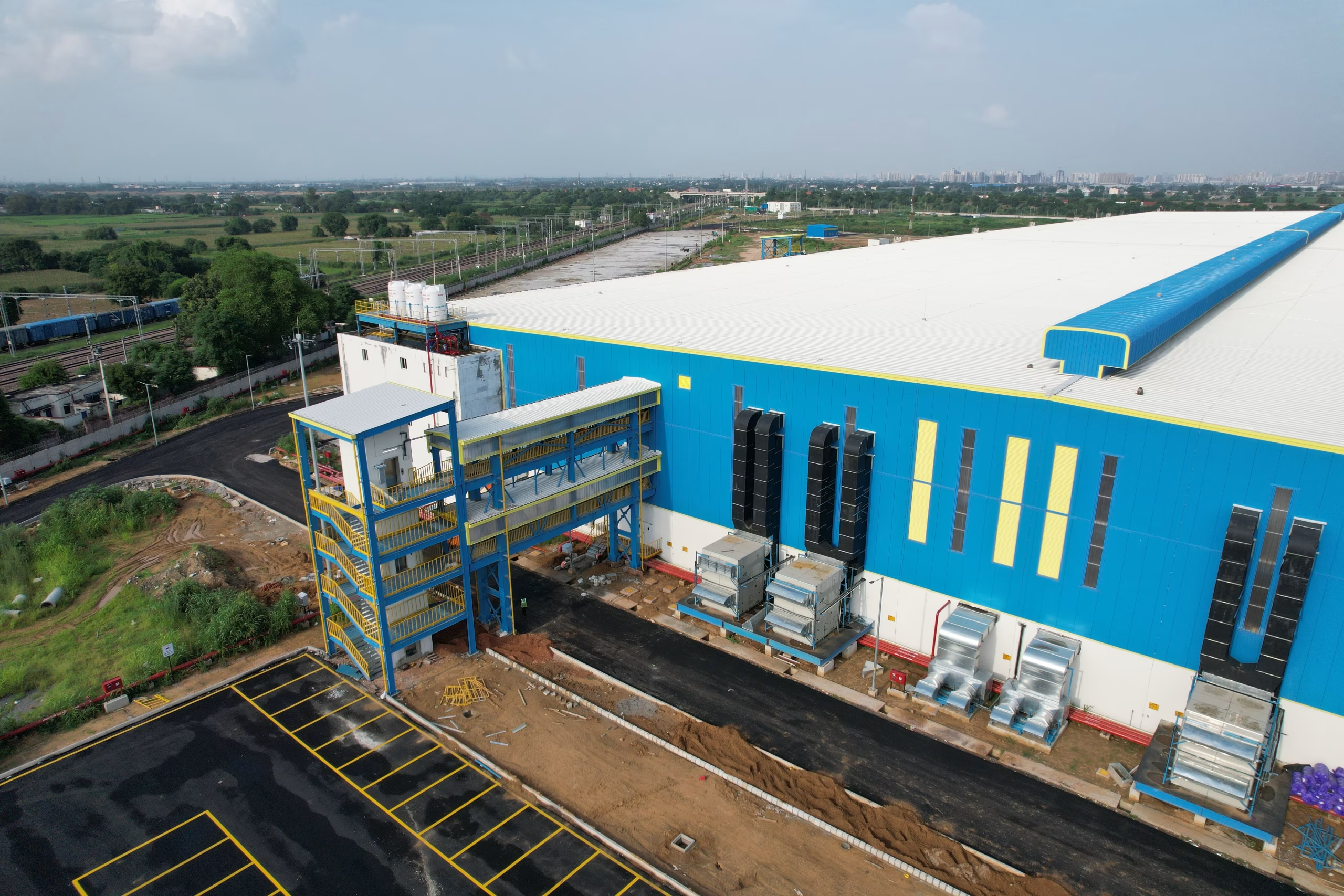
For manufacturers investing in long-term operations, this distinction can have a significant impact on productivity, efficiency and the ability to adapt to future requirements.
# Why Manufacturers Are Moving Towards Customised Infrastructure
Manufacturing expectations have changed significantly. Companies operating in automotive, engineering, electronics, pharmaceuticals, industrial equipment and other specialised sectors increasingly need facilities that can meet demanding technical and operational requirements.
Global quality and compliance standards are also influencing facility design. Manufacturing plants may need specialised fire protection, environmental systems, controlled utilities, safety infrastructure and energy-efficient building services depending on the nature of production.
At the same time, manufacturing processes are becoming more specialised. Equipment layouts, automation systems, material handling and production lines need to work together efficiently. A generic building may require expensive modifications to accommodate these requirements.
Purpose-built infrastructure allows manufacturers to address these needs from the beginning.
A customised facility can also improve operational efficiency by reducing unnecessary movement of materials and people, supporting better production flow and creating more effective use of available space.
While the initial planning process for a build-to-suit facility may require greater coordination, the long-term benefits can outweigh the cost of adapting a generic facility. Better space utilisation, reduced operational bottlenecks, improved utility planning and easier future expansion can contribute to stronger lifecycle value.
The availability of industrial land and the development of new industrial zones are also creating opportunities for manufacturers to establish facilities that are aligned with their long-term expansion strategies.
# Benefits of Build-to-Suit Manufacturing Plants
The primary advantage of build-to-suit development is that the facility is designed around the operation rather than forcing the operation to fit an existing structure.

Production flow can be planned to minimise unnecessary movement between raw material storage, processing, assembly, quality control and finished goods dispatch.
Equipment integration can also be considered from the beginning. Structural systems, floor specifications, ceiling heights, equipment foundations, power requirements and material-handling systems can be coordinated with the production layout.
Safety and regulatory compliance are another important consideration. Fire protection, emergency access, ventilation, worker movement, hazardous-material handling and other safety requirements can be incorporated into the facility design instead of being added later.
Energy efficiency and sustainability can also be integrated at the planning stage. Building orientation, efficient MEP systems, lighting, ventilation, renewable energy integration and water-management systems can contribute to better environmental performance.
A purpose-built facility can further reduce operational bottlenecks and downtime by ensuring that infrastructure is aligned with production requirements.
Perhaps most importantly, the facility can be designed for future expansion. Additional production lines, warehouse capacity, utility requirements or new technologies can be considered before construction begins, helping manufacturers create infrastructure that can evolve with the business.
# Key Elements of Successful Build-to-Suit Facility Design
Successful build-to-suit development starts with understanding the manufacturing process.
A process-first planning approach allows architects, structural engineers, MEP specialists and manufacturing teams to work from a common understanding of how the facility will operate.
Structural design must reflect production requirements. Equipment loads, crane systems, machinery foundations, floor loading, clear heights and building spans may all influence the structural solution.
MEP engineering is equally important. Electrical distribution, HVAC, compressed air, process utilities, fire protection, water systems and other services must be coordinated with equipment and production requirements.
Utility planning should also consider both present and future requirements. Adequate capacity and infrastructure readiness can help avoid costly modifications when production expands.
Environmental and regulatory requirements need to be incorporated throughout the design and construction process. Depending on the project, these may include environmental clearances, fire and safety requirements, energy efficiency standards and other applicable regulations.
Future-proofing is another critical consideration. Manufacturers should evaluate how the facility can accommodate changes in production technology, additional equipment, increased capacity and evolving operational requirements.
The objective is not simply to build a facility that works today, but to create infrastructure that continues to support the business as it grows.
# The Role of EPC Expertise in Build-to-Suit Projects
Build-to-suit projects involve multiple disciplines and a high level of coordination. Engineering, procurement and construction therefore need to work together from the beginning.
An integrated EPC approach brings these functions under coordinated project management, helping maintain alignment between design intent, procurement decisions and site execution.
Single-point accountability can also simplify communication and decision-making. Instead of managing multiple independent parties, the client can work with an EPC partner responsible for coordinating the major project requirements.
This approach can help reduce project risks, improve schedule management and maintain quality throughout the project lifecycle.
For a manufacturing facility where production requirements directly influence the building design, maintaining alignment between engineering and construction is particularly important.
Every detail, from structural systems and utility infrastructure to equipment foundations and MEP coordination, needs to translate accurately from the design stage to physical execution.
# How Pragati Infra Solutions Limited Supports Build-to-Suit Development
Pragati Infra Solutions Limited has been delivering industrial and manufacturing infrastructure since 2009, with experience across sectors where precision, coordination and execution capability are critical.
PISL's experience includes automotive, engineering, warehousing and industrial manufacturing projects, giving the organisation an understanding of the different operational requirements that influence industrial facility development.
With more than 16 million square feet of delivered infrastructure and a multidisciplinary team of more than 600 professionals, PISL brings engineering, procurement and construction capabilities together under an integrated EPC approach.
This enables project requirements to be considered across the complete development lifecycle, from engineering and procurement through construction and delivery.
PISL's partnership with AG&P Industrial to establish an advanced modular EPC and fabrication facility in Andhra Pradesh further reflects its focus on modular, scalable and engineered industrial infrastructure.
For manufacturers looking to develop purpose-built facilities, this combination of industrial experience, multidisciplinary engineering and EPC execution provides a foundation for creating infrastructure designed around specific operational requirements.
The objective is not simply to deliver another industrial building. It is to create a facility that supports today's production requirements while remaining capable of adapting to tomorrow's growth.
# The Bottom Line
Manufacturing facilities are strategic assets that directly influence operational performance, productivity and long-term business growth.
Build-to-suit development allows manufacturers to align their physical infrastructure with their production processes, equipment requirements, compliance obligations and future expansion plans.
By considering these requirements from the beginning, purpose-built facilities can improve production flow, equipment integration, safety, energy efficiency and long-term scalability while reducing the limitations associated with generic industrial buildings.
The success of such a project ultimately depends on selecting the right development and EPC partner—one capable of translating operational requirements into practical engineering and delivering the facility with the required quality, coordination and schedule discipline.
# Planning a Purpose-Built Manufacturing Facility?
Planning a new manufacturing plant or industrial expansion?
Connect with Pragati Infra Solutions Limited to explore build-to-suit infrastructure solutions designed around your operational requirements and future growth plans.
Explore Pislinfra Infrastructure Solutions
Learn how Pislinfra delivers turnkey industrial, warehousing, and PEB engineering solutions across India.