
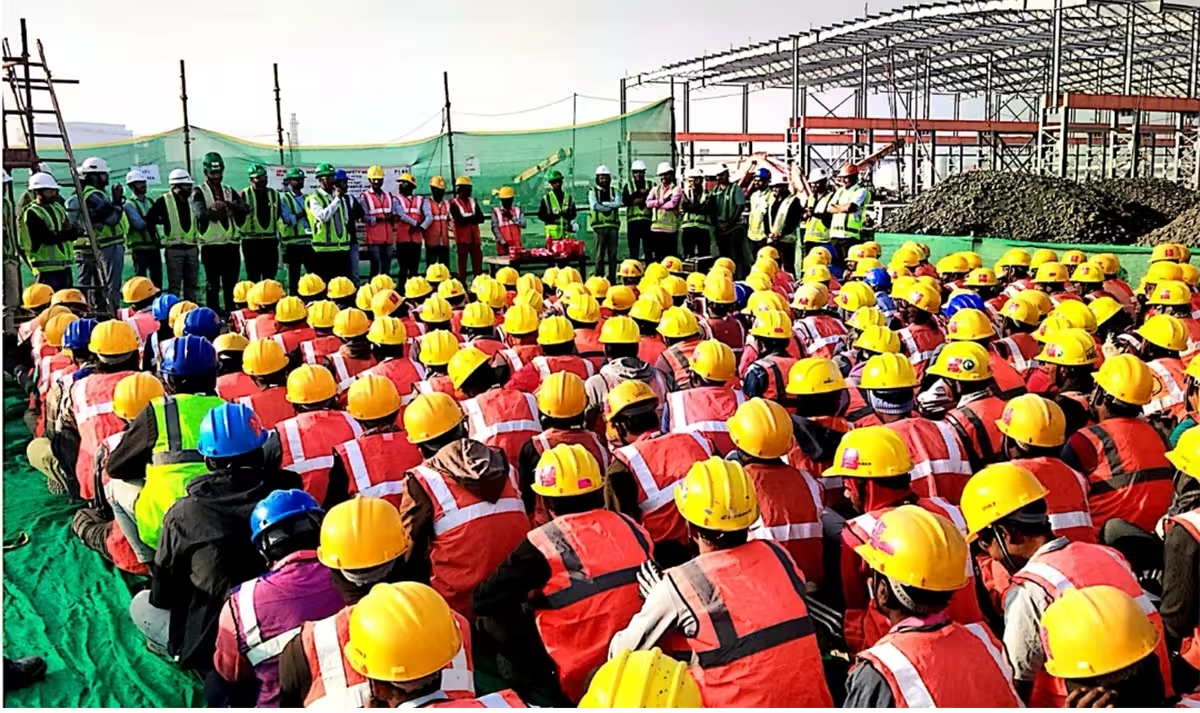
Construction Safety: How Responsible Contractors Build Safer, Smarter Project Sites
The construction industry considers progress as useless when it endangers the safety of workers. Work sites present actual dangers because workers must operate at elevated positions while using heavy machinery and working with electrical systems, and multiple teams who must meet tight project schedules.
The current situation establishes Construction Safety as an essential duty for contractors who control work operations at construction sites.
PISL treats construction safety as an essential practice instead of a basic requirement for compliance with regulations. Our company uses operational discipline to establish safety procedures that protect employees, improve project results, and maintain long-term regulatory compliance.
We assume full responsibility as contractors for everything at the site, including how workers act and all safety measures, because our belief is that safe execution forms the basis of successful construction work.
What is Construction Safety?
Construction safety defines a system of structured procedures that execute safety implementations to prevent accidents, workplace injuries, and dangerous conditions from happening in construction environments.
The protective measures work to solve physical safety hazards and equipment dangers, environmental threats, and operational deficiencies that create dangerous situations.
Construction safety prioritizes accident prevention instead of emergency response procedures. Contractors use early hazard detection methods to conduct ongoing risk assessments while establishing safety protocols that they implement before starting work.
All teams will make better safety decisions throughout their work when they understand the complete definition of construction safety.
At PISL, we establish safety measures as fundamental elements of our project execution process, which ensures protection remains integral to all work activities.
You may also like – Phases of Construction Project
Why Construction Safety Matters in Contracting?
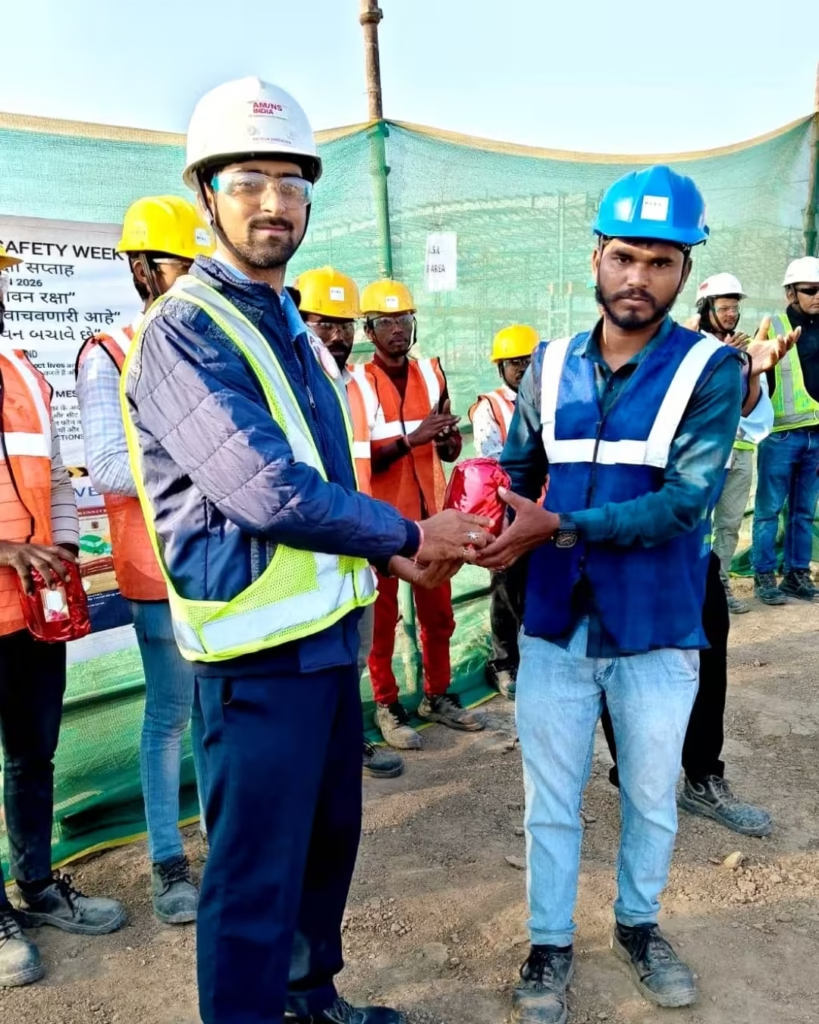
All construction activities depend on the work of contractors. We manage all operations at active construction sites by handling workforce requirements, equipment needs, material supplies, and project timelines. The various elements of construction operations become dangerous when construction safety systems lack sufficient strength.
The construction industry relies on effective safety systems because they deliver multiple benefits, which include:
- Reduces accidents and downtime
- Improves workforce confidence and morale
- Protects equipment and project assets
- Prevents legal and regulatory exposure
- Supports timely and efficient project delivery
The safety performance of PISL directly determines how well the company executes its operations. We believe that projects only succeed when teams work in environments designed to protect them.
Construction Site Safety: Turning Plans into Daily Practice
The construction site safety standards require organizations to implement safety procedures through their daily operations. Safety plans only work when all personnel at the site follow their implementation. Our organization investigates safety operations because they determine our operational performance for each workday.
The construction site safety system requires us to establish:
- Defining clear movement zones and access routes
- Installing visible signage and barricades
- Conducting routine inspections and audits
- Holding regular toolbox talks and briefings
- Correcting unsafe practices immediately
Through discipline maintenance at the construction site, we maintain active safety operations that become visible and effective until project completion.
Construction Safety Rules That Guide Safe Execution
The establishment of explicit and enforceable construction safety regulations results in uniform safety standards that apply to all construction sites. The rules establish clear operational expectations that help workers understand their work requirements.
PISL construction sites implement essential safety regulations, which include these specific requirements:
- All workers must wear their personal protective equipment at all times
- Only authorized operators who have completed training can operate machinery
- Personnel must follow safe electrical handling procedures and complete proper isolation steps
- Workers who perform tasks at elevated positions need fall protection systems to ensure their safety
- Workers must report all hazardous situations, together with unsafe conditions, which they observe in their environment
Our organization maintains construction safety regulations through supervisory processes together with responsibility mechanisms, which we use to ensure compliance. The establishment of regular safety procedures leads to the development of automatic safety practices.
Construction Safety Equipment: The First Line of Protection
The system requires dependable construction safety equipment for all safety measures to function properly. Equipment serves as a protective measure that safeguards workers during situations where risks remain present despite safety training and planning efforts.
Essential construction safety equipment includes:
- Safety helmets and protective footwear
- High-visibility jackets
- Gloves, goggles, and face shields
- Safety harnesses and lifelines
- Fire-fighting and first-aid equipment
At PISL, we supply and monitor construction safety equipment while we maintain its operational status and compliance requirements. Work activities stop when equipment standards become less than acceptable.
Training and Awareness in Construction Safety
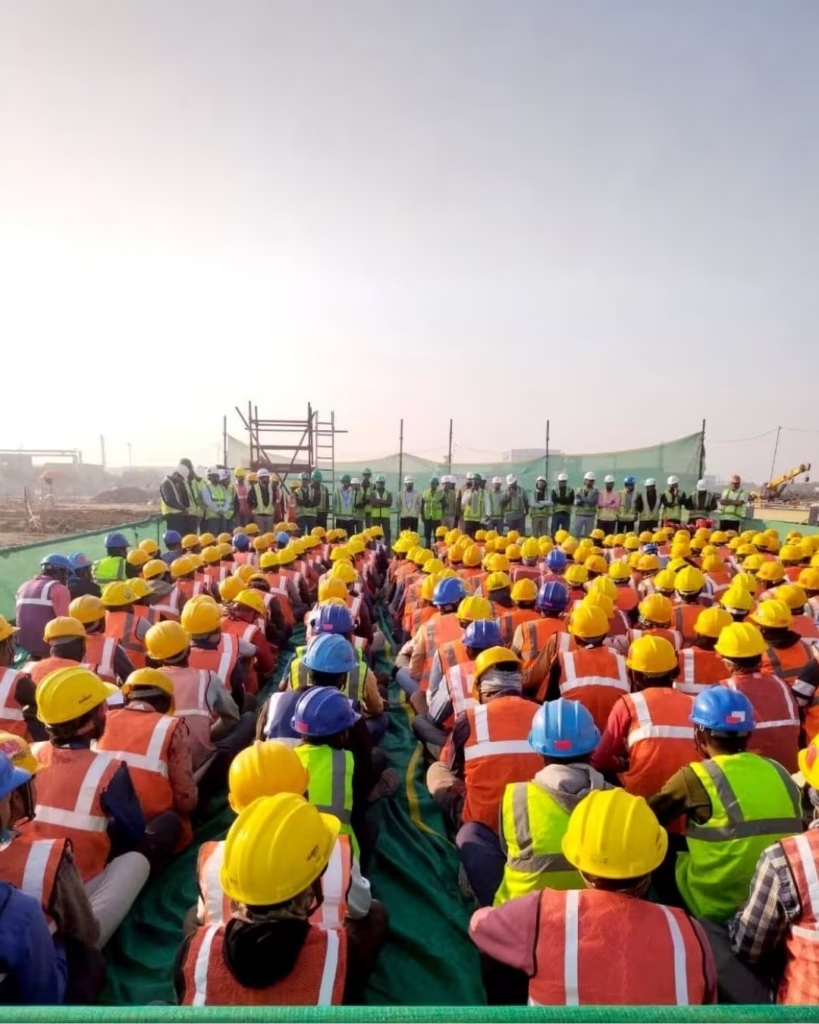
Safety systems depend on human resources for their operational needs. Our main method of training personnel at construction sites requires training to be the most important requirement for safety implementation. Workers receive clear guidance on hazards, procedures, and emergency response protocols before they step onto the site.
Through regular inductions and refresher programs, teams develop a clear understanding of:
- What is construction safety?
- Why construction safety rules exist?
- How construction site safety protects everyone?
This approach builds awareness, accountability, and shared responsibility across the workforce.
Also Read – What is Industrial Construction
Compliance and Regulatory Responsibility
All construction projects require compliance with multiple legal requirements and regulatory standards that control their operations. The contractors must comply with all labor laws, safety standards, and statutory requirements because these regulations apply to their work.
The project experiences operational risks because noncompliance leads to financial penalties and project delays while damaging its public reputation.
PISL construction safety practices operate according to both required regulations and accepted industry standards. The organization establishes client trust through its adherence to regulations, which protects safety across various project conditions.
Using Technology to Strengthen Construction Safety
Modern construction safety requires more than people to supervise construction work. Digital tools enable teams to conduct inspections and prepare reports while they track project progress, which helps them identify potential hazards and respond to emergencies.
We use structured monitoring systems to:
- Record safety observations
- Track corrective actions
- Maintain inspection documentation
- Improve transparency and accountability
Technology helps us manage construction site safety proactively rather than reactively.
Shared Accountability for Construction Site Safety
The construction site safety system operates most effectively when all parties share responsibility for their duties. The contractors operate the implementation process while all other team members, including supervisors, engineers, workers, and subcontractors, work together to achieve better safety results.
At PISL, we establish open communication channels that allow teams to report hazardous situations. The shared approach establishes trust, which strengthens a workplace culture where all employees prioritize safety.
Conclusion on the Construction Safety
The construction safety regulations determine the level of project responsibility that construction teams use to complete their work. The process of construction safety begins with defining construction safety and proceeds to implementing construction safety regulations while maintaining construction site security and using proper construction safety equipment.
PISL takes complete responsibility as a contractor to establish secure work environments that meet safety standards and compliance requirements. Our organization maintains that effective safety measures protect human life while improving project results and establishing trust-based relationships with other parties.
The construction industry defines success as delivering exceptional work, which guarantees that all workers return home unharmed after each workday.