
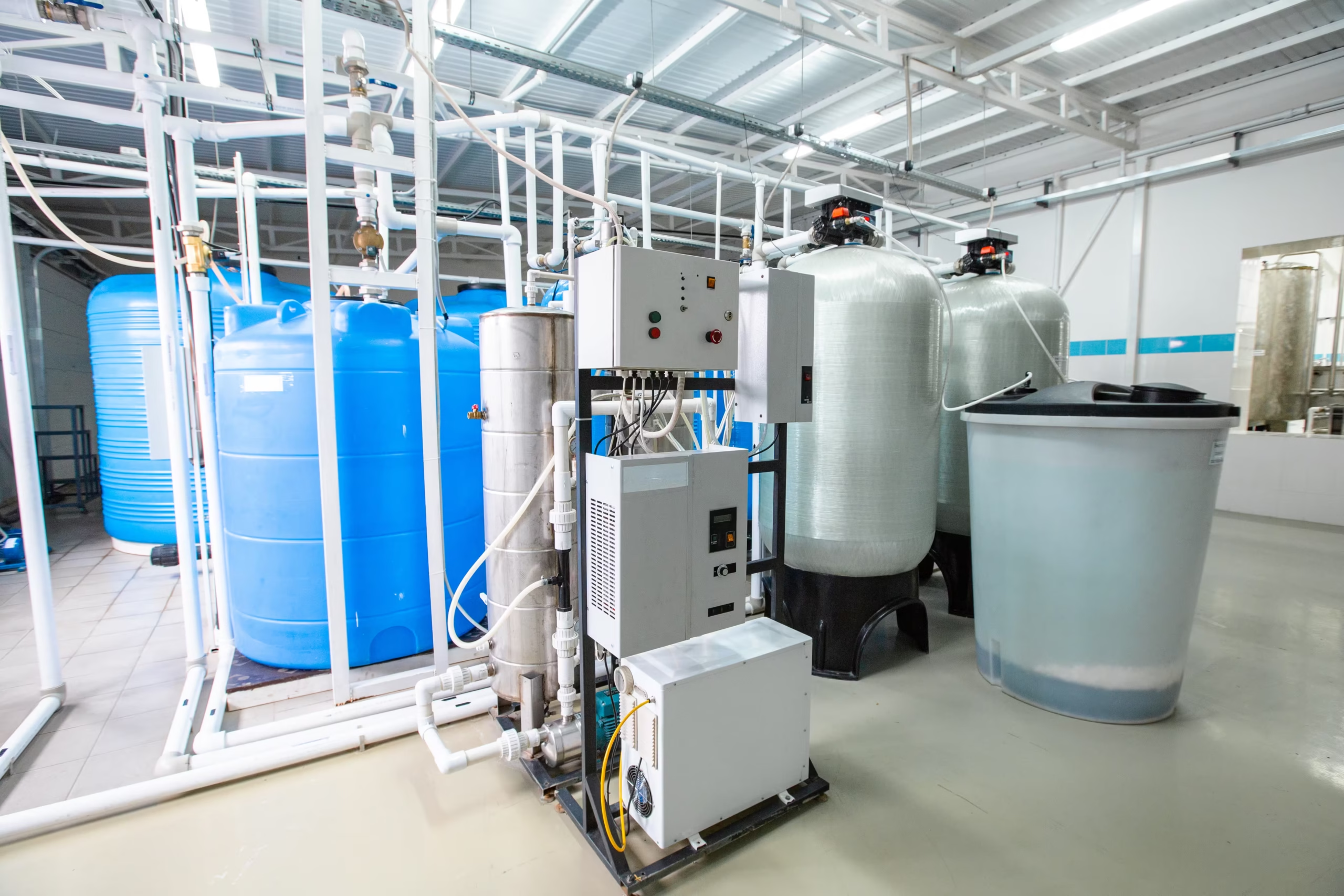
Water Management System: Building a Sustainable and Resilient Water Future
Most people overlook water because it exists throughout their everyday activities until they experience a situation that makes them realize its importance. The moment we encounter a dry tap, face a sudden water shortage, or see streets flood after heavy rainfall, we understand the true importance of water.
Cities operate successfully because they depend on an intricate system that delivers water to every location that requires it. Human activities, including increasing urban populations and expanding industrial facilities, and climate change effects, create unprecedented challenges for water resource management.
People around the world experience declining groundwater levels, while rainfall patterns show increased unpredictability. The modern world requires effective water management because it is an essential process that helps create sustainable, resilient societies for the years ahead.
What Is a Water Management System?
A Water Management System defines a comprehensive framework that oversees water resources from initial collection to final disposal. The system tracks the entire water process, from the source through its infrastructure and operational use to its final destination.
Modern systems today operate beyond their primary task of managing water supply. The systems handle multiple water cycle processes, including water sourcing and storage, distribution and monitoring, wastewater treatment and recycling, and stormwater management.
The original water systems used in older infrastructure operated under basic procedures that provided water to users while removing their waste.
The current water systems operate at a higher level of sophistication. The systems use monitoring equipment, automated processes, and advanced planning methods to achieve efficient water resource management.
Water management now operates through proactive methods because organizations implement strategic management practices. Organizations use strategic approaches to manage water resources.
You may also like – What is Industrial Construction?
Why Water Management Matters Today?
The world currently faces water stress issues that span multiple regions. The water supply challenges in India and other areas stem from two factors: declining groundwater resources and inconsistent rainfall patterns.
The water needs of expanding cities match their industrial water use requirements, while agricultural practices continue to depend on irrigation systems. The total water consumption rates increase because all sectors demand more water resources.
We are witnessing the outcomes of our actions at this moment. The city experiences shortages that occur during particular times of the year.
Farmers who need to irrigate their fields encounter problems during dry weather conditions. Companies must comply with tougher rules regarding their wastewater operations and total water usage.
The world needs structured water management systems because they serve as essential resources for proper water management. An effective system enables organizations to monitor their water consumption patterns while achieving waste-reduction goals and operational effectiveness.
The system provides organizations with the capability to develop future plans, which enables them to handle potential shortages.
The following factors create demands for improved water management systems:
- The rapid expansion of urban areas and industrial facilities
- The rising number of droughts and floods
- The continuing decrease in underground water supplies
- The implementation of environmental regulations that control water usage and wastewater treatment
- The increased requirements for environmentally friendly infrastructure systems
A Water Management System enables organizations to control water resources, which normally exist as vulnerable assets.
Components of a Modern Water Management System
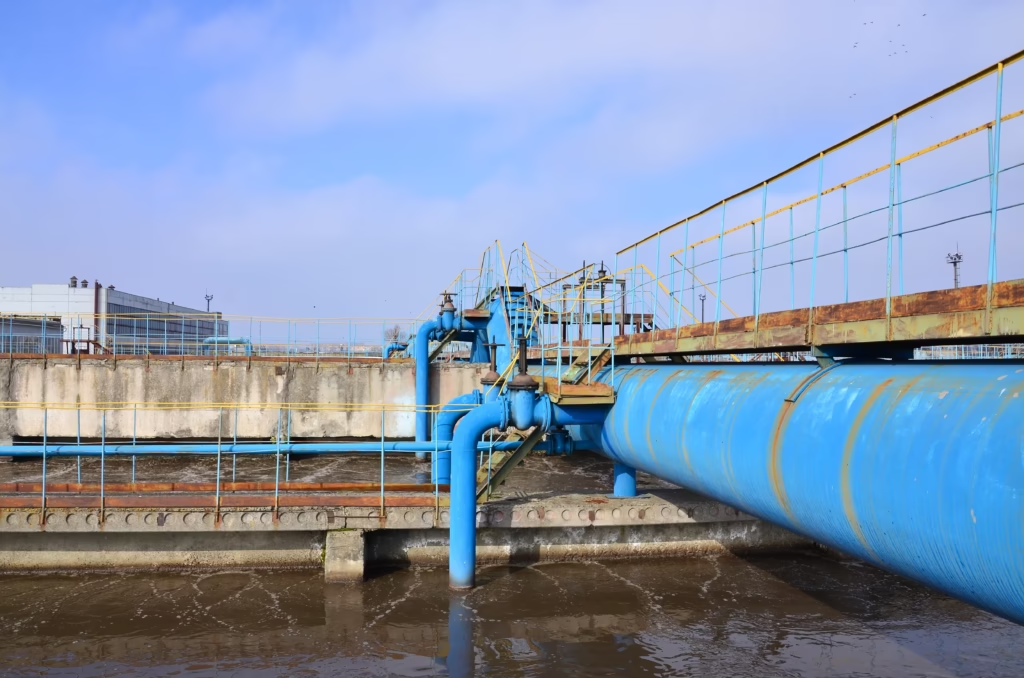
The operation of current water systems relies on three essential elements, which include their physical structure and technological solutions, and their methods of conducting their daily operations. The various elements of the system work together to provide effective water resource management.
Water Supply Management
Every system starts with the process of obtaining water resources. The water supply can originate from various sources, which include rivers, reservoirs, groundwater aquifers, and recycled water systems. During collection, the water must be transported through pipelines, which must maintain its quality while minimizing potential losses.
Water Storage and Distribution
Reservoirs and tanks function as storage systems that maintain equilibrium between water supply and demand. The system enables water storage during times of high supply, which can be used to meet increasing demand. The system operates through distribution networks, which efficiently transport water to residential areas, industrial sites, and business establishments.
Wastewater Treatment and Recycling
Wastewater treatment functions as a vital component of contemporary water management systems. The treatment facilities disinfect used water, which enables its reuse for irrigation and industrial use and groundwater replenishment.
This method decreases the demand for freshwater resources.
Stormwater and Rainwater Management
Effective management practices transform rainwater into a valuable resource. Rainwater harvesting systems collect and store rainfall,, while drainage systems protect urban areas by preventing flooding.
Monitoring and Control Systems
Water management systems are now increasingly using technological solutions. The system uses sensors, smart meters, and automated monitoring systems to enable operators to monitor water consumption, identify leaks, and enhance system efficiency.
The system uses these tools to enhance the operational efficiency of water systems while increasing their operational visibility.
Types of Water Management Systems
Different environments require different water management approaches. The choice of system depends on the particular conditions found in different locations.
Urban Water Management Systems
The infrastructure of cities operates through complex systems that supply water to their entire population. Urban systems combine water supply networks, wastewater treatment plants, stormwater drainage systems, and reuse facilities to meet the needs of growing populations.
Industrial Water Management Systems
The manufacturing, cooling, and processing operations of industries require extensive water resources. Industrial water systems operate to treat and recycle water while they comply with all required environmental standards. The process creates savings in operational expenses while decreasing negative environmental effects.
Agricultural Water Management Systems
The agricultural sector ranks among the top water-using industries. Farmers achieve better water management through modern irrigation systems, including drip irrigation and controlled canal management, which reduce water wastage.
Rainwater Harvesting Systems
Rainwater harvesting systems collect rainwater during storm events and store it for future use. The stored water becomes available for irrigation, cleaning, and groundwater recharge, which makes it valuable for areas with water shortages.
Integrated Water Management Systems
The system unifies various water sources, which include surface water, groundwater, wastewater, and stormwater, into one operational system. The comprehensive method enables planners to manage water resources more efficiently.
Sustainable Water Management System: The Way Forward
The primary objective of current infrastructure planning efforts focuses on creating sustainable infrastructure solutions. The existing water systems must provide sufficient service to meet present needs because future population growth will require access to safe drinking water.
A Sustainable Water Management System focuses on long-term resilience. It prioritizes efficiency, reuse, and conservation while avoiding new water sources.
The main principles include:
- Water usage should be efficient, while waste production needs to be minimized.
- Treated wastewater should be reused whenever it is feasible.
- Natural water bodies and their ecosystems need to be protected.
- Water treatment processes should operate with reduced energy requirements.
- The initiative aims to present information to the public while requesting their active involvement.
Implementing these practices helps water management evolve into a system that protects nature and supports economic growth.
Also Read – Sustainable Warehouse Construction
Role of Technology in Water Management
The way water systems function according to technological advancements that currently exist in the world. Operators can now monitor system performance through digital monitoring platforms that provide real-time tracking.
Water distribution systems use smart meters, automated treatment systems, and IoT monitoring tools to first detect leaks, then forecast demand, and finally distribute water efficiently.
The most important technologies that exist today include these components:
- Smart meters and monitoring sensors
- Automated treatment plants
- SCADA and IoT-based monitoring systems
- Data analytics for demand forecasting
- Leak detection and loss reduction tools
The technologies create operational savings through their ability to enhance productivity, which results in decreased expenses for running operations.
Benefits of Effective Water Management
Therefore, when water systems are properly planned, the benefits will be felt beyond the water supply.
From the environmental point of view, water systems will help in the conservation of water resources, minimize pollution, and facilitate groundwater recharge.
From an economic point of view, water systems will help minimize energy and water procurement costs and extend the life expectancy of infrastructure systems.
From a social perspective, water systems will provide a reliable water supply, enhance proper sanitation facilities, and help the community withstand water shortages.
Generally, good water management helps develop and sustain the environment.
PISL’s Approach to Water Management
PISL approaches water management through its practical methods and its dedication to long-term environmental results.
The project needs special solutions that the team must develop because of its different environmental factors, its unique infrastructure needs, and its distinct sustainability objectives. PISL works closely with clients to design systems that address these real-world factors.
The company uses technical expertise and sustainable planning methods to help clients improve water use, achieve better operational results, and develop strong infrastructure systems.
Conclusion on the Water Management System
Modern infrastructure operators face their largest challenge in water management. The protection of water resources has become essential because cities continue to expand while climate patterns become more unpredictable.
Organizations that adopt smarter water management approaches, which combine their strategic planning with advanced technologies and sustainable practices, achieve better water efficiency and system improvement, and develop infrastructure that operates effectively in future requirements.